
Introduction
Traveling in Europe is like stepping into a living storybook. This continent holds everything from ancient ruins and medieval castles to ultra-modern cities and cutting-edge cuisine. You can ride a train through the Alps in the morning, sip wine in a Tuscan village by afternoon, and watch the northern lights in Norway at night. I’ve crossed Europe more times than I can count, and every trip has shown me how much variety is packed into this compact region.
This Europe travel guide focuses on practical advice — when to go, what to eat, and how to experience culture in an authentic way. Whether you’re planning a classic rail trip, a budget backpacking loop, or a food-and-wine journey, this guide will help you find the right rhythm for your travels.
Europe’s seasons shift quickly, and the right timing can make all the difference.
Spring (April–May): Ideal for the Mediterranean — Greece, Italy, Spain, and the Balkans. The weather is warm, prices are lower, and crowds are thinner before summer rushes in.
Summer (June–August): Head north to Scandinavia, the Baltics, or the Alps. Long daylight hours and cooler nights make this the perfect season for hiking and outdoor festivals.
Autumn (September–November): Golden light and grape harvests across France, Portugal, and Central Europe. Crowds thin, prices drop, and local festivals abound.
Winter (December–March): Cozy Christmas markets in Germany and Austria, alpine skiing in Switzerland and France, and atmospheric train journeys through snow-covered villages.
👉 For seasonal detail on a specific country, see my Italy guide or Albania guide.

Europe is full of iconic sights, but the real magic often lies in everyday discoveries. A few highlights worth seeking out:
Walking the historic streets of Rome, Paris, and Prague
Road tripping through the Balkans and stumbling into hilltop fortresses
Sailing around the Greek islands
Hiking alpine trails in Switzerland or Slovenia
Spending long afternoons in a café culture city like Vienna or Paris
And don’t overlook the small towns: watching fishermen bring in the day’s catch in Portugal, or sharing homemade rakija with locals in the Balkans. These quieter moments often linger longer than any monument.
Posts about Europe
6 Best Things to Do in Gjirokaster, Albania
Albania

How to Hike to the Ali Pasha Bridge in Gjirokaster Albania
Albania

The 4 Best Remote Work Cafes in Shkodër, Albania
Albania

10 Things to Know Before Traveling to Albania
Albania

The Best Digital Nomad Cafes in Braşov Romania (2025)
Romania

Vienna Ring Road (Ringstrasse) – Run Review
Austria

Food is one of Europe’s great joys — and no matter where you go, eating like a local is the best way to connect with a place. Some dishes to look for:
Pasta & Pizza (Italy): From hand-rolled tagliatelle in Bologna to Neapolitan pizza in Naples.
Paella (Spain): Rice cooked with seafood or meat, flavored with saffron and shared communally.
Goulash (Hungary): A rich, paprika-heavy stew often served with bread dumplings.
Moules-Frites (Belgium): Mussels and fries, best eaten seaside with a Belgian beer.
Baklava (Greece/Turkey): Sweet layers of pastry, nuts, and honey syrup, perfect with coffee.
Beyond these classics, Europe’s food culture shines in markets and taverns, where traditions carry on outside of tourist menus.
Europe’s culture is lived in the streets, not just preserved in museums. But it’s during festivals that the continent feels most alive, when traditions and creativity move into the open and locals invite you to take part.
In Germany, Oktoberfest captures Bavarian heritage with music, food, and overflowing beer halls. What began as a royal wedding celebration has grown into the world’s most famous folk festival, where lederhosen and dirndls still set the tone. Further south, La Mercè in Barcelona transforms the Catalan capital each September with fireworks, concerts, parades, and the human towers that rise above cheering crowds — a mix of deep-rooted tradition and modern street festival energy.
Not all events are about spectacle; some are about reflection and creativity. In Italy, the Venice Biennale is one of the world’s leading showcases for contemporary art and architecture, staged in a city that itself feels like a living museum. And as winter approaches, Christmas markets bring Europe’s medieval squares to life with mulled wine, handmade crafts, and festive lights. From Vienna to Strasbourg, these markets combine history, community, and seasonal warmth in a way that feels uniquely European.
Together, these festivals show how Europe blends heritage with innovation, celebration with reflection. Whether you’re raising a stein in Munich, wandering an art pavilion in Venice, or sipping hot wine beneath the lights of a Christmas market, culture here is something you don’t just watch — you join.
Our Photos of Europe
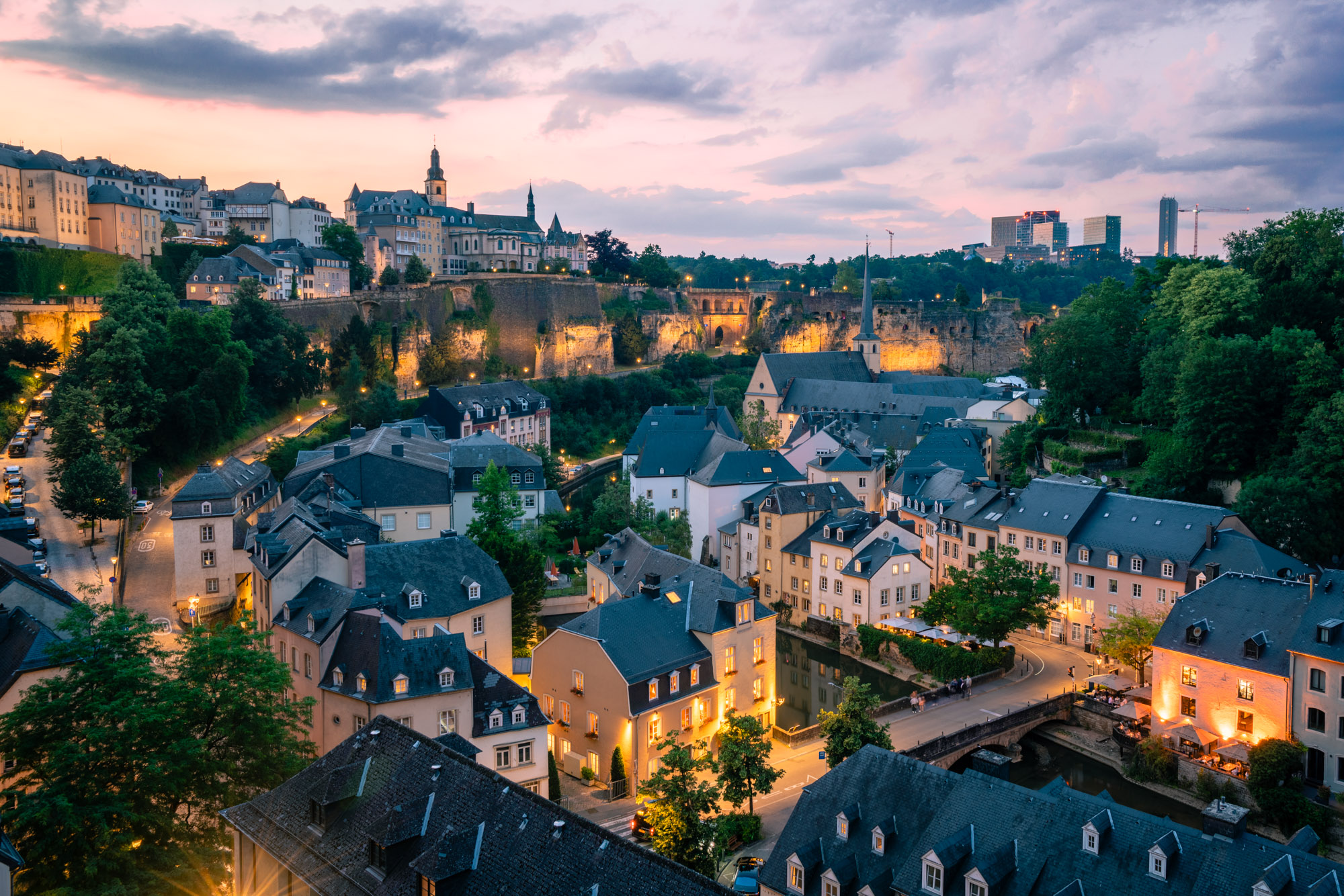
Europe is endlessly photogenic. My camera has captured stone fortresses in Albania, vineyards in France, and crystalline waters in the Mediterranean.


Traveling responsibly in Europe means more than skipping plastic water bottles (though do that too). Stay in family-run pensions instead of large hotel chains, support regional food producers, and travel by train where possible to cut down on emissions. Respect local cultures by learning a few words of the language, dressing appropriately for churches or mosques, and slowing down your itinerary to give places the time they deserve.
Travel here responsibly isn’t about rules — it’s about participating in a way that benefits the communities that make the continent so special.
Frequently Asked Questions
Trains are great — especially with regional passes — but buses like FlixBus are often the cheapest. Budget airlines like Ryanair and Wizz Air offer super low fares if you pack light and book early. I usually mix trains and flights depending on the country and schedule.
If you’re not from the EU, you’ll likely need a Schengen visa for most of continental Europe. It covers 27 countries and allows 90 days of travel in a 180-day period. The UK, Ireland, and parts of Eastern Europe aren’t included, so check carefully before planning. I suggest using an app to track your time in the zone, I like Schengen Calculator.
Spring (April–June) and fall (September–October) are my top picks. The weather’s great, prices are lower, and crowds are less. Summer can be amazing too — I have often been in Europe this time of year — but expect higher costs and a lot more tourists!
Absolutely. Some of my favorite spots include cities like Lisbon, Athens, and Berlin. Visa rules vary, but some countries even offer digital nomad visas now. I’ve worked from hostels, cafes, and AirBnBs all over the continent.