Language
Slovenian

Slovenia feels like a secret whispered in the heart of Europe—compact, green, and absolutely magical. I arrived expecting a pit stop between Italy and Croatia and left wondering why more people aren’t shouting about this place. It’s where you can hike alpine peaks in the morning, sip wine by afternoon, and soak in thermal waters by night. The landscapes are like something out of a storybook, and the vibe is peaceful but never boring. Slovenia doesn’t demand attention—it earns it, quietly and completely.
Start in Ljubljana, a pocket-size capital made for wandering: pastel Baroque facades along the Ljubljanica River, Jože Plečnik’s bridges, and a funicular up to the castle for sunset views. Café-hop by day, then join the evening promenade along the car-free old town.
Head to Lake Bled, where a ring path loops past boathouses, viewpoints, and swimming piers. Row a pletna to the island church, hike to Ojstrica for the classic postcard shot, and cap it with kremšnita at a lakeside café. If you have time, detour to nearby Lake Bohinj for wilder trails and fewer crowds.
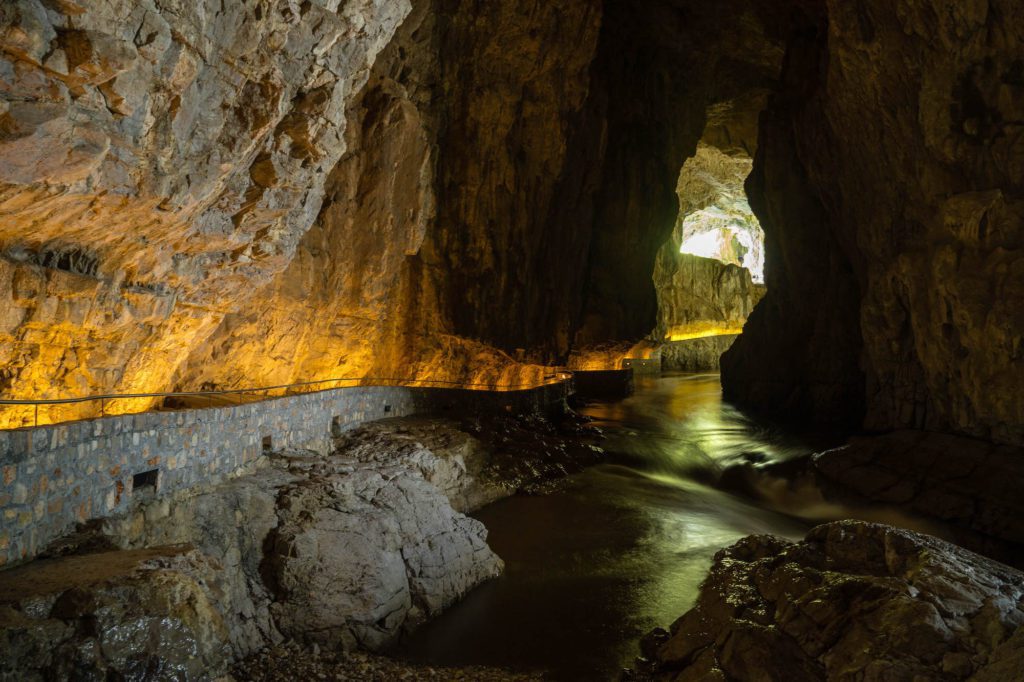
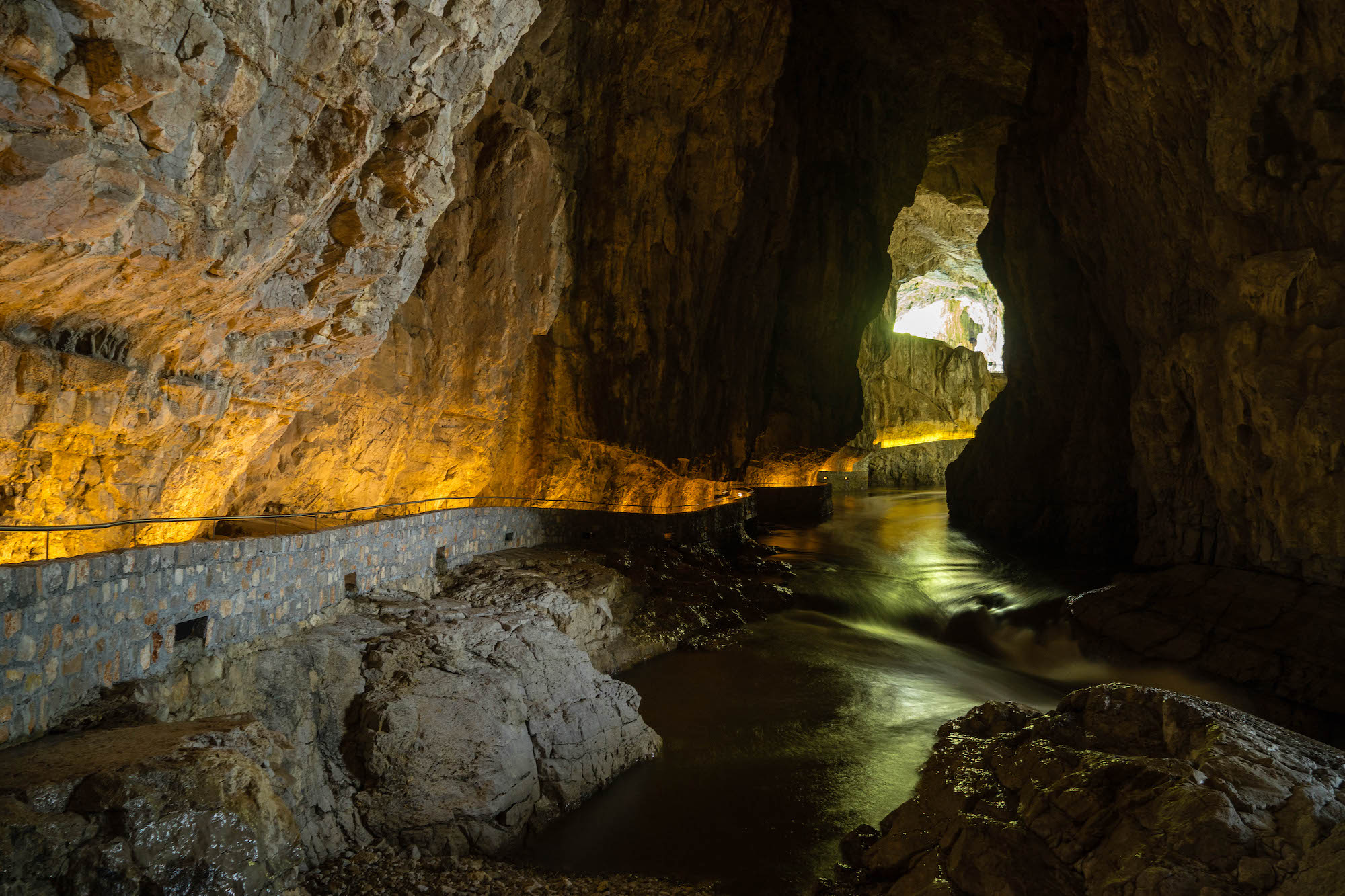
Go underground at Škocjan Caves, a UNESCO site that feels otherworldly—vast chambers, a roaring subterranean river, and vertiginous walkways suspended above the darkness. Pair it with a stop in the Karst wine country (think prosciutto and teran) or swing back north into the Julian Alps for alpine lakes and Triglav National Park hikes.
May to September is the sweet spot for Slovenia. I visited Lake Bled in early June and the weather was idyllic—sunny, crisp, and perfect for hiking or rowing out to the church on the island. It’s also the best season for outdoor lovers: kayaking the Soča River, exploring Triglav National Park, or biking through vineyard trails. Cities like Ljubljana come alive with café culture and summer festivals.
Fall (late September to October) offers fiery foliage and quieter trails, especially in the Julian Alps and wine regions like Brda. I once wandered through the vineyards near Maribor in October, and the harvest atmosphere was as rich as the local reds. Winter (December to February) brings snow to the mountains, making places like Kranjska Gora great for skiing. Ljubljana also lights up with charming Christmas markets, minus the overcrowding you’d find elsewhere in Europe.
Slovenia strikes a rare balance: it’s more affordable than neighboring Italy or Austria, yet it never feels like you’re cutting corners. On a budget of $55–75 per day, you can stay in hostels or simple guesthouses, eat hearty meals like stews, dumplings, and štruklji for under €10, and use the network of buses or regional trains to hop between towns. Many of the best experiences—hiking in Triglav, swimming in alpine lakes, or exploring Ljubljana’s old town—are completely free.
With a midrange budget of $90–130 daily, you’ll step up to boutique stays around Lake Bled, vineyard visits in the Brda region, and guided day trips to highlights like Škocjan Caves or the Soča Valley. Meals in this range often mean farm-to-table restaurants where local wines are poured generously, often for far less than you’d expect in Western Europe.
Those looking to splurge can spend $180+ per day on stylish hotels in Ljubljana, spa resorts in the Alps, or private adventures like canyoning, cycling tours, and wine tastings. Even at this tier, Slovenia’s value stands out—it’s a place where luxury comes without the sticker shock.


Enthusiastically yes. It’s stunning, safe, and easy to get around. Think of it as Europe’s best-kept secret—without the tourist crush.
Yes, that’s what I did! Buses from Ljubljana run frequently and take about 1.5 hours. You can also cycle or walk around the lake with ease.
Yes. Most young people and those in tourism speak excellent English. Signs are often bilingual in cities and tourist areas.
Hearty, rustic, and delicious. Expect dishes influenced by Italy, Austria, and the Balkans—plus local specialties like žlikrofi and gibanica.